“Education is the most powerful weapon which you can use to change the world.” – Nelson Mandela
This powerful idea drives many learners to seek knowledge across borders. Today, a world-class university experience does not require a mountain of debt.
Several nations have opened their doors with remarkable policies. In 2014, Germany abolished tuition for public undergraduate programs. This move set a new standard for accessible learning.
Similarly, Norway provides tuition-free access at its public universities. This policy applies to everyone, regardless of their origin.
Removing the tuition bill changes the financial picture completely. The total expense of earning a degree becomes far more manageable. This allows pupils to focus on their academic goals.
Exploring these systems offers incredible cultural and professional growth. Each year, many individuals study abroad to advance their careers. They gain a prestigious qualification without the burden of high fees.
Scholarships and grants can further ease living costs. Understanding this global landscape is the first step. Careful planning lets you secure an exceptional future.
Introduction to Tuition-Free Higher Education for International Students
Navigating the global landscape of higher education reveals a growing trend toward accessible learning. Many nations are evolving their university systems to provide tuition-free paths. This opens doors for those seeking a high-quality degree abroad.
While some countries offer free tuition, pupils must still account for living expenses. Administrative fees also vary by institution. These remaining costs are an important part of the financial picture.
Finland serves as a key example. It charges non-EU/EEA pupils for English-taught degrees. Costs typically range from €4,000 to €18,000 per year.
Understanding the distinction between tuition-free and low-cost education is vital. It helps individuals plan their academic journey across different countries. A clear budget makes the process smoother.
Many universities now offer programs in English. This removes the language barrier that once limited study options. It creates more opportunities for a diverse student body.
Scholarships are frequently available to help cover remaining costs. These can assist with degree expenses and daily living needs. Exploring these options is a smart step in planning.
By evaluating the total cost, individuals can make informed decisions. They can choose where to study and how to fund their education. This careful approach leads to a successful academic experience.
What Defines Free College and Tuition-Free Education
Understanding what ‘free college’ truly means is the first critical step for any prospective international student. This model typically refers to public universities where government funding covers the core tuition fees for instruction.
Students do not pay tuition for their classes in these systems. However, they are usually responsible for small administrative or semester fees.
In Germany, for example, pupils pay around €250 per semester for services like public transit and student governance. This is separate from any tuition charge.
Living expenses remain a significant personal cost. Individuals must budget for housing, food, and books throughout their study.
Eligibility for these benefits varies. Some nations extend them to all enrolled learners, while others restrict them to EU/EEA citizens.
It is vital to verify the policy for your specific degree program and institution. Scholarships can help offset the remaining costs.
The overarching goal is to make higher education more accessible. Financial barriers should not block a qualified person from earning a degree.
Evaluating Criteria for International Student Admissions
Gaining admission to a public university abroad requires careful preparation and meeting distinct academic and bureaucratic standards. Each country and institution sets its own rules for enrollment. Applicants must navigate this complex landscape to secure their place.
Strong academic records are a universal requirement. Some nations have specific entrance exams. For instance, Brazil mandates that all pupils pass the challenging ENEM test for entry into its public institutions.
Proof of language proficiency is another common hurdle. Most universities teaching in English require official TOEFL or IELTS scores. This ensures learners can succeed in their chosen degree program.
Documentation like certified transcripts and recommendation letters are also standard. These materials help admissions committees evaluate an applicant’s potential. The student visa process adds another critical layer.
Visa applications almost always require proof of sufficient funds to cover living costs for the study year. Policies vary greatly between different countries. Starting research early is the best strategy for navigating competitive opportunities and securing a spot.
Top Countries Offering Free Education for International Students
Here are the top countries where international students can study for free or very low tuition in 2026 — plus what you actually need to know (because “free” often has conditions).
🇩🇪 Germany

- Tuition: FREE at most public universities
- Language: Many programs in English
- Extra cost: €150–€350/semester admin fee
- Best for: Engineering, IT, business
One of the best and most realistic options globally
🇳🇴 Norway

- Tuition: Free at public universities
- Language: Mostly English (Master’s)
- Catch: Very high cost of living
⚠️ Free tuition but expensive lifestyle
🇫🇮 Finland

- Tuition: Free for PhD; scholarships for others
- Language: English widely available
- Best for: Tech, innovation
🇸🇪 Sweden
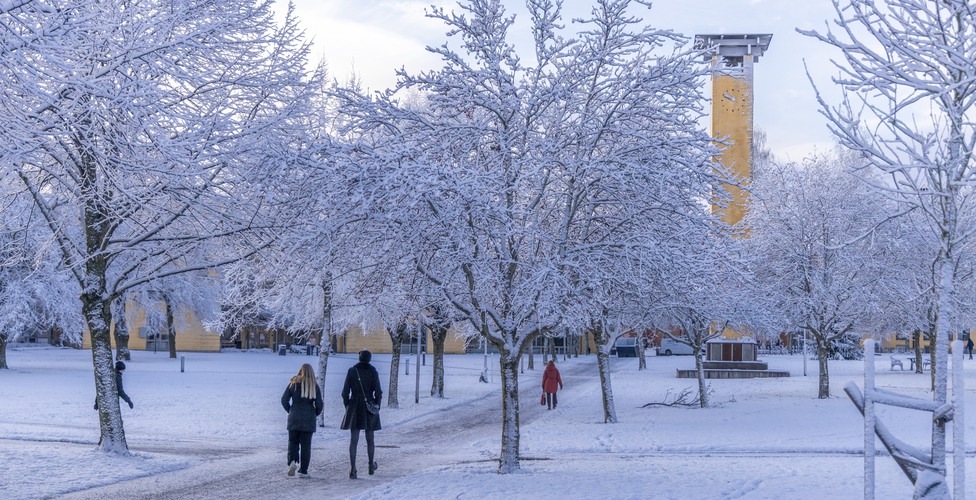
- Tuition: Free for EU; scholarships for internationals
- Strong in: Sustainability, engineering
🇩🇰 Denmark
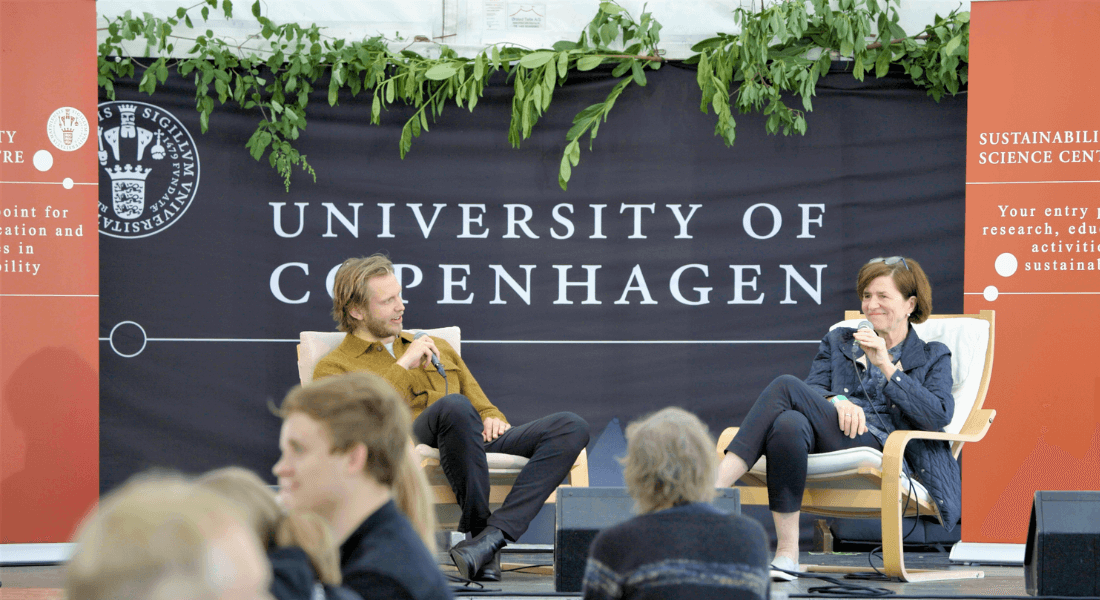
- Tuition: Free for EU; scholarships available
- Good for: Business, design, engineering
🇦🇹 Austria
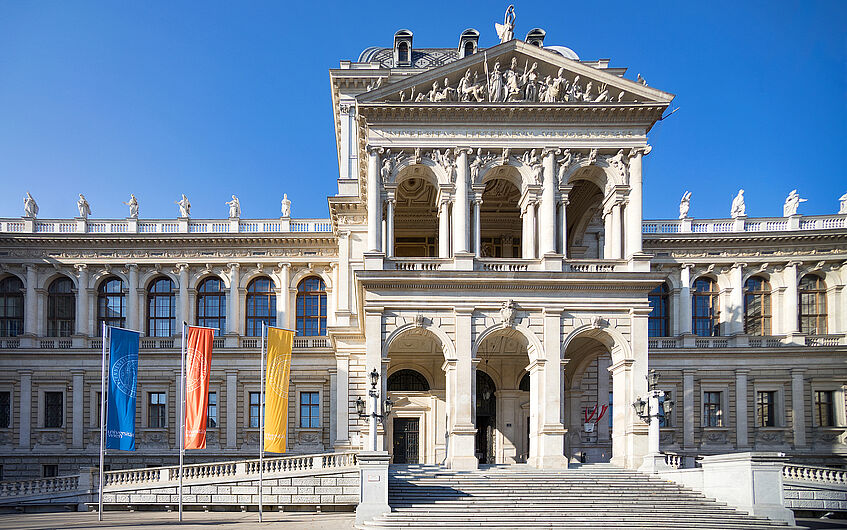
- Tuition: Very low (~€700/year)
- Affordable compared to Western Europe
🇫🇷 France

- Tuition: Low (€200–€600/year public universities)
- Plus: Many scholarships available
🇪🇸 Spain

- Tuition: Low (€750–€2,500/year)
- Affordable living in some cities
🇨🇿 Czech Republic
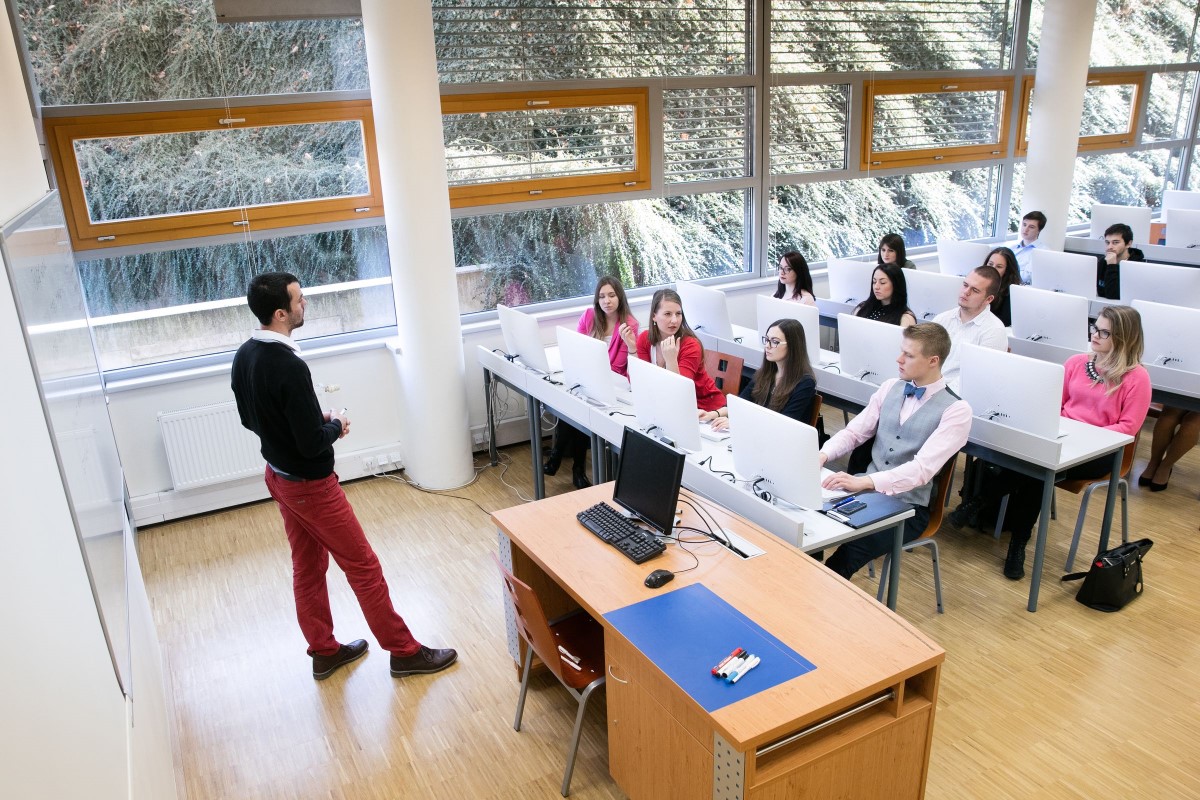
- Tuition: FREE if you study in Czech
- English programs: Low cost
🇧🇷 Brazil

- Tuition: Free at public universities
- Language: Portuguese required
🇦🇷 Argentina

Tuition: Free public education
- Low cost of living
⚠️ Important Truth (Don’t Skip)
Even in “free education” countries, you still need:
- 💸 Living expenses (very important!)
- 🏠 Accommodation
- 📑 Visa + insurance
- 💰 Proof of funds (e.g., Germany ~€11,000/year)
🚀 Pro Tip
If your goal is:
- Free + job after study → Germany 🇩🇪
- Cheapest overall → France 🇫🇷 / Austria 🇦🇹
- English programs → Finland 🇫🇮 / Sweden 🇸🇪
Around the world, a handful of governments fund their public universities to offer instruction at no cost to enrolled pupils. These nations provide a valuable opportunity for learners seeking a high-quality degree abroad without tuition fees. Norway serves as a clear example, where public institutions charge no tuition but require a small semester fee of 300-600 NOK.
The academic quality in these destinations often matches or exceeds that of expensive private colleges elsewhere. Public investment ensures these systems remain accessible. This allows individuals to concentrate fully on their studies and professional growth.
Living expenses represent the most significant financial consideration for pupils. Comparing costs between different locations is essential for budgeting. Many scholarships exist to help manage these costs while pursuing a degree.
Each location offers unique cultural and academic benefits. The structured academic year helps with planning coursework and potential work. These experiences contribute to well-rounded personal and professional development.
Germany – A Leading Destination for Tuition-Free Studies
Germany stands out as a premier choice for learners seeking affordable academic pathways. In 2014, it removed tuition fees for public undergraduate programs. This policy shift attracts a large number of international students each year.
Pupils only pay small administrative and semester fees. This keeps the overall cost of a degree much lower than in many other nations. The financial model makes higher education highly accessible.
The country offers a wide range of bachelor and master courses. Many programs are taught in English to accommodate global scholars. Admission requires meeting specific academic level standards and demonstrating language proficiency.
International students can work part-time to help manage their living costs. The visa process is clear, requiring proof of funds for the first year of study. Many institutions also provide scholarships to further reduce financial burdens.
Germany’s system is known for its strong focus on research and prestigious public universities. The learning experience blends theoretical knowledge with practical application. Graduates gain access to a robust job market and numerous professional opportunities.
Norway’s Inclusive Higher Education Model
Norway’s approach to higher learning is built on a foundation of equality and open access. Its public universities do not charge tuition fees. Enrolled individuals pay only a small semester fee, typically between 300 and 600 NOK. This covers administrative costs and student services.
Many bachelor and master courses are taught in English. This ensures international students can fully participate. Admission requires meeting specific academic level standards. Applicants must also show proof of funds for their living costs for the year.
The learning environment here encourages critical thinking and collaboration. A growing number of scholars are drawn to this system. They gain a unique cultural and academic experience in a country that values fairness.
While living costs are a significant consideration, scholarships can help. These supports make managing expenses more feasible. Pursuing a degree in Norway offers valuable opportunities for personal and professional growth.
Finland and Sweden: Premium Education Without Tuition
Finland and Sweden represent two Nordic nations known for their high-quality academic systems. While Sweden maintains tuition-free policies at its public universities, Finland now charges non-EU/EEA pupils for English-taught degrees. These fees typically range from €4,000 to €18,000 per year.
Admission to these prestigious institutions requires meeting specific academic level standards. Applicants must also demonstrate language proficiency, usually through tests like IELTS or TOEFL. This ensures they can succeed in their chosen program.
The learning experience here is highly practical and collaborative. Courses often focus on group work and solving real-world problems. This approach helps individuals develop valuable skills for their future careers.
Living costs in these countries are relatively high. However, numerous scholarships are available to help offset expenses. Visa applications require proof of sufficient funds for the entire study year.
Both nations are recognized for their innovative approach to higher learning. The number of English-taught courses continues to grow, increasing access. Studying here provides a global perspective and enhances future professional opportunities.
Exploring European Alternatives: Austria, Czech Republic, and Beyond
Beyond the well-known Nordic options, Central Europe presents compelling and affordable pathways for global learners. Austria asks non-EU students for a modest fee, around €730 per semester. The Czech Republic provides a different model, with free tuition for programs taught in its native language.
Gaining admission to these respected institutions requires meeting specific academic standards. Applicants must also show proof of financial resources for their planned year of study. This proof is a key part of securing a student visa.
Many find the cost of living in these nations more manageable than in Western Europe. A wide range of scholarships further helps pupils manage their expenses. This support allows them to concentrate on their master’s or undergraduate studies.
Choosing these destinations means accessing high-quality public universities. Students immerse themselves in historically rich cities while pursuing their degree. It is a strategic way to find a valuable program that aligns with both academic and financial goals.
Non-European Options: Brazil, Mexico, and Emerging Destinations
Looking beyond Europe reveals exciting academic pathways in nations like Brazil and Mexico. These countries offer vibrant, large cities and dynamic learning environments. Pupils can find a wide range of opportunities for master or undergraduate studies here.
Brazil’s public universities provide tuition-free education. Gaining admission requires passing the national ENEM exam. This test assesses academic readiness for university-level work.
In Mexico, institutions like UNAM charge only small registration fees. This makes prestigious education highly accessible. Many learners are drawn to its renowned programs and faculty.
The cost of living in these regions is generally lower than in Europe. This helps individuals manage their budget throughout the academic year. Vibrant urban centers also provide rich cultural experiences.
Admission to these institutions demands meeting specific academic standards. Demonstrating proficiency in the local language is often required. Prospective students must also research visa requirements for their home country.
Scholarships for international students are available to help cover living costs. These financial supports make pursuing a degree more feasible. Choosing these destinations provides an affordable path to a quality education and valuable global insights.
Financial Support Beyond Tuition Fees
While tuition may be covered, managing daily expenses remains a primary concern for pupils abroad. Housing, food, and books represent a significant part of the total cost for a degree. This makes finding extra funding a key step for a successful study year.
Many nations provide financial support to help with these living costs. Scholarships and grants are common tools offered by universities and governments. They can cover specific costs like books or provide a general stipend.
Work-study programs present another valuable opportunity. They allow a student to earn money while gaining experience in their field. Some governments also offer loans with favorable terms for those in higher education.
Researching all options in your chosen country is essential. Creating a detailed budget tracks expenses and ensures funds last. Leveraging this support makes achieving an education abroad more realistic and less burdensome.
Managing Living Expenses While Studying Abroad
Daily costs like rent and groceries form the real financial picture for scholars abroad. While tuition might be covered, these ongoing expenses require careful planning. Students pay for housing, food, and transport throughout their academic year.
Researching average costs in your host country is a vital first step. This knowledge is crucial before you apply for a student visa. Many learners study in cities with a high cost of living.
Creative strategies can make a big difference. Students may qualify for housing aid or special discounts. Working part-time is a common way to cover these costs while pursuing a degree.
Smart spending is key. Look for affordable options for meals and course materials. Developing a detailed budget is a valuable skill you will use for life.
The goal is to enjoy the full experience without constant financial worry. Balancing living costs with the benefits of your education abroad leads to a successful and enriching year.
Strategic Tips for a Successful Application Process
A well-planned application strategy is the cornerstone of securing a spot at a prestigious institution abroad. Begin by thoroughly researching the specific requirements for your chosen degree. Missing a deadline is a common mistake that can delay your plans for an entire year.
Many universities require proof of language proficiency for their courses. Students may need to schedule tests like the IELTS or TOEFL well in advance. Strong scores can make your application stand out in a competitive pool.
Highlight your academic achievements and relevant experiences clearly. Admission committees look for well-rounded candidates. Tailoring your personal statement to each university shows genuine interest.
Do not underestimate the visa process. It is the final, critical step to studying in your host country. Prepare financial proof early to avoid last-minute stress.
Securing scholarships can drastically reduce the overall cost of your education. Explore options offered by institutions, governments, and private organizations. This funding can cover living expenses or even remaining fees.
Reach out to program advisors with specific questions. They can provide invaluable guidance on the admission process. Organize all necessary documents, like transcripts and recommendation letters, in one place.
This diligent effort is an investment in your future. A smooth application leads to exciting learning opportunities and a valuable graduate experience.
Conclusion
Global education pathways empower individuals to gain world-class qualifications while exploring new horizons. For international students, this journey represents a transformative chance to build a successful future.
Smart financial planning is key. By managing living costs and seeking scholarships, you can afford a prestigious degree without high tuition fees.
Success requires proactive research. Meeting all admission and visa requirements ensures a smooth study year at your chosen institution.
This path is deeply rewarding. It opens doors to new opportunities and professional growth for every dedicated learner.